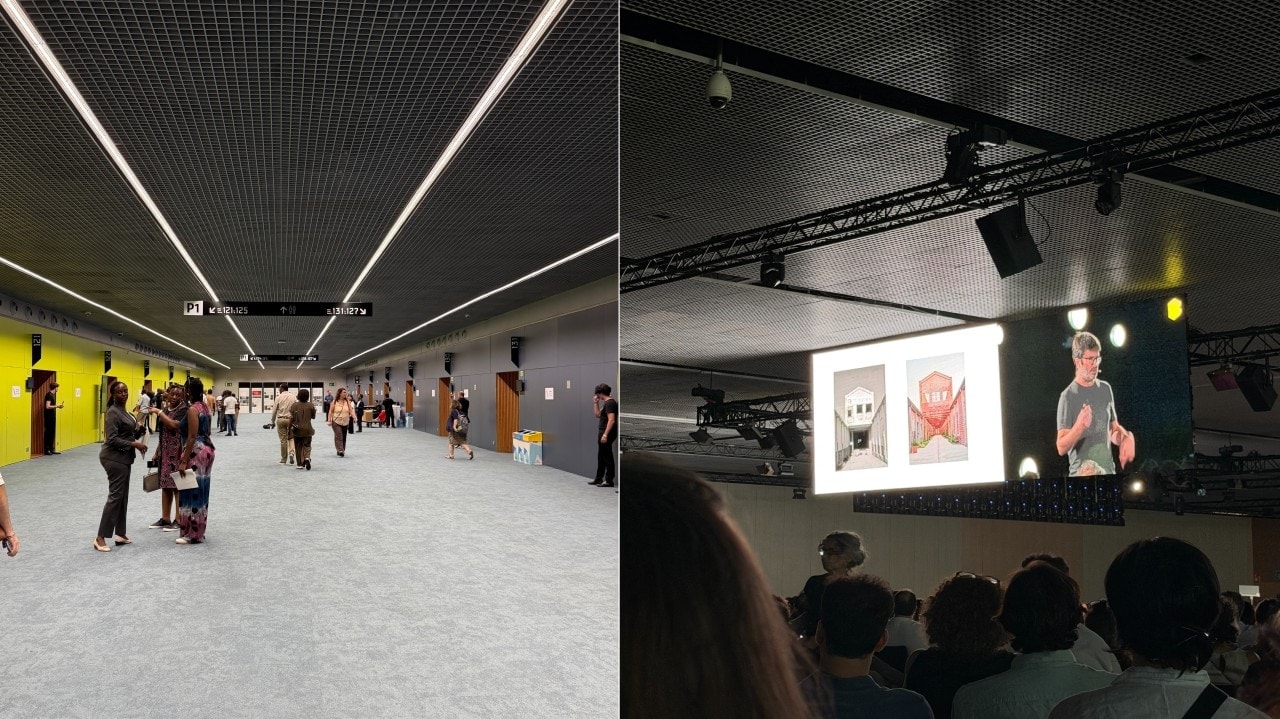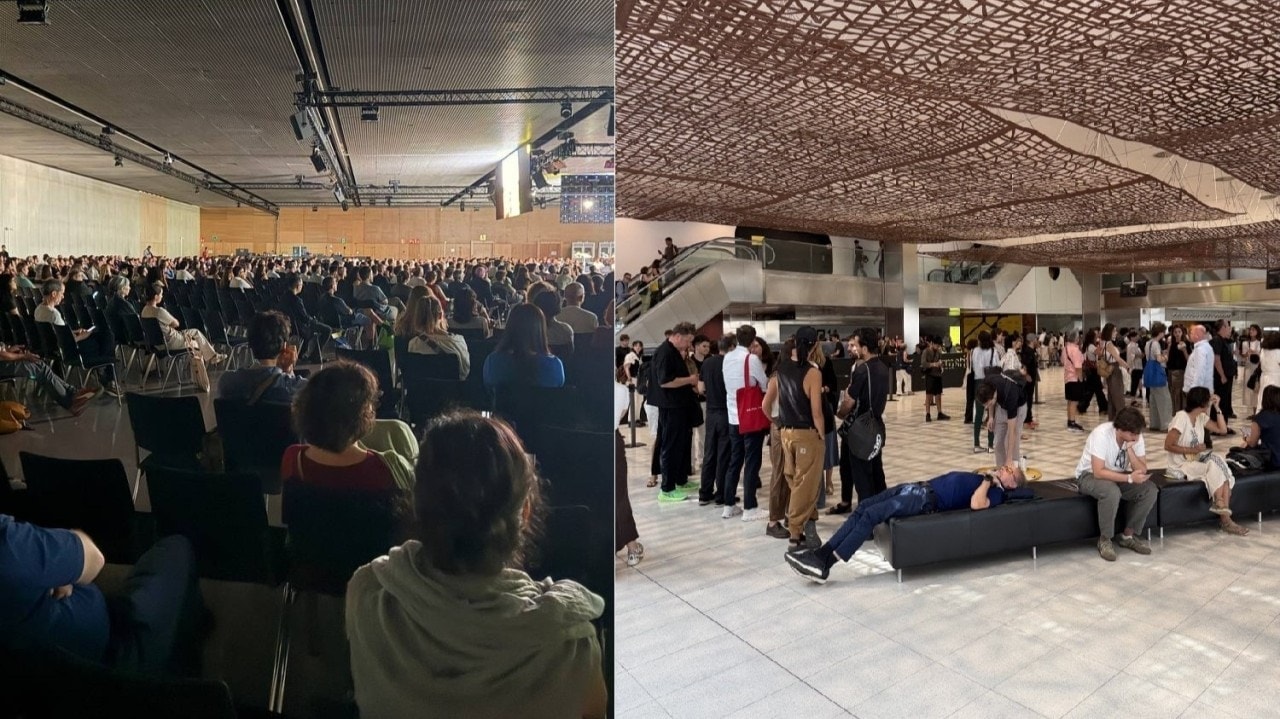
While the first day of the UIA World Congress of Architects 2026 Barcelona focused on materiality (Becoming Circular), the second day naturally shifted the discussion toward systemic design. The key sessions—a lecture by economist Mariana Mazzucato and the Becoming Interdependent plenary discussion—once again brought forward critical questions about the changing scope and scale of modern urbanism.
Modern development and design can no longer be viewed as the creation of isolated objects. The city is increasingly understood as a complex ecosystem of contracts, social ties, climate challenges, and resource distribution.
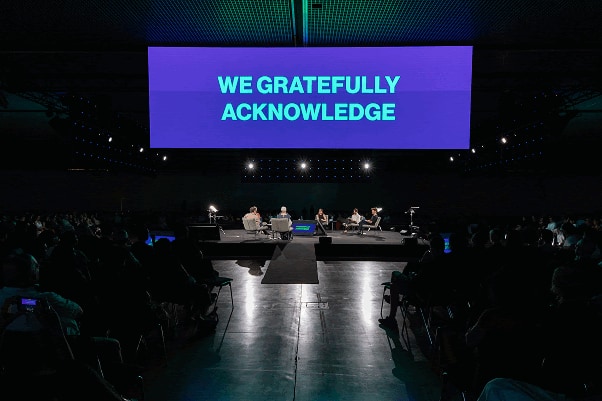
© Anna Mas Photo
The XENIOS Bureau team has prepared an analytical breakdown of the major economic, legal, and socio-cultural models from day two of the congress, which will define the logic of territorial development for decades to come.
1. The Common Good Market Instead of Patching Market Failures: Mariana Mazzucatos Economic Manifesto
The presentation by UCL Economics Professor Mariana Mazzucato alongside Javier Buron Cuadrado (head of Navarre's public housing company Nasuvinsa and former Housing Director of Barcelona) became the premier intellectual event of the day. Mazzucato introduced her upcoming book, “The Common Good Economy” (published in Spanish as “Economía del bien común” this September), and offered a sharp critique of traditional public planning.
Key Case Studies amp; Economic Logic:
- From Correcting Markets to Shaping Markets (Market Shaping vs. Market Correcting): Classical economic theory teaches public authorities and municipalities to be passive: "intervene only when the market fails," imposing fines or patching holes with subsidies. Mazzucato argues that this model leaves city administrations weak and reactive. A smart city should not merely "de-risk" private developers, but actively shape the common good market by setting strict, long-term rules of the game.
- The Metaphor of "Intervention at Source": Mazzucato cited the 2022 energy crisis as an example. While the UK spent billions on retail consumer subsidies (effectively transferring public funds to private energy corporations), Spain's Vice President Teresa Ribera targeted the issue "at source" by capping wholesale gas prices (wholesale price cap). Consequently, Spain secured the lowest electricity prices in Europe. Takeaway for Development: Do not subsidize expensive, unaffordable housing at the exit. Set the rules of land use, land reserves, and contract terms at the entry.
- Strict Conditions for Private Capital (Conditionalities): Mazzucato noted that global public development banks accumulate $22 trillion, yet spend them inefficiently by simply handing out cheap loans. She highlighted the German state-owned bank KfW, which granted loans to steel manufacturers only on the condition that they restructured their supply chains for a circular economy (reuse and recycling). This is precisely how "green steel" was born in Germany. Takeaway for Development: Any Public-Private Partnership (PPP) in housing must contain strict conditionalities regarding long-term rental affordability, energy efficiency, and social mixing. If a private fund targets double-digit profits within 5 years, they are financial speculators. Long-term affordable housing is a sector of moderate yields and guaranteed stability.
2. Architecture of Care and Non-Ageist Spaces: The MAIO Manifesto
The presentation by Anna Puigjaner, co-founder of the Barcelona-based firm MAIO and Head of the Chair of Architecture and Care at ETH Zurich, refocused the discussion on designing for the needs of vulnerable groups, particularly Europe's aging population.
Core Concept:
Puigjaner examines how the physical form of architecture stigmatizes individuals. Modern nursing homes in Europe are designed to sterile medical standards, completely ignoring fundamental human needs for tactility, pleasure, intimacy, and informal socialization.
- Lessons from Barcelona’s 90s Techno Scene: In search of alternative models for integrating older adults, MAIO analyzed the early techno and electronic music scene of Barcelona in the early 1990s. During the post-Soviet European integration era, these clubs were not commercialized, and crucially, they were not "ageist." The music and the dark, inclusive space brought together people of all ages and backgrounds without prejudice.
- Architectural Solution: MAIO proposes designing public spaces and collective housing not as "retirement reservations," but as flexible co-housing systems. Here, shared kitchens, laundries, and leisure spaces integrate different generations, returning agency and the right to an active, fulfilling life to older adults.
3. Back to the Land: The Ecosystems of Assemble and Common Treasures
The London-based collective Assemble, along with researchers from Common Treasures, presented a profound analysis of the crisis facing modern industrial agricultural models.
The Challenge:
Modern agriculture is entirely dependent on fossil fuels, chemical fertilizers, and giant monoculture production that depletes soils. To escape this destructive model and meet IPCC climate goals, humanity must return to manual, high-intensity, ecological farming (agroecology), requiring up to 30% of the active population to work the land.
- The Residential Infrastructure Challenge: Farm life is physically demanding, and incomes are notoriously low. How do we attract 30% of the population back to rural areas?
- The Solution: Architects must stop designing rural areas as mere "service zones for urban growth." We need to build high-quality, affordable, and ecological residential infrastructure for farming communities, using local materials, renewable energy, and principles of mutual neighborly support.
4. The Power of Small Gestures: Designing Processes Instead of Objects (Minor Architecture)
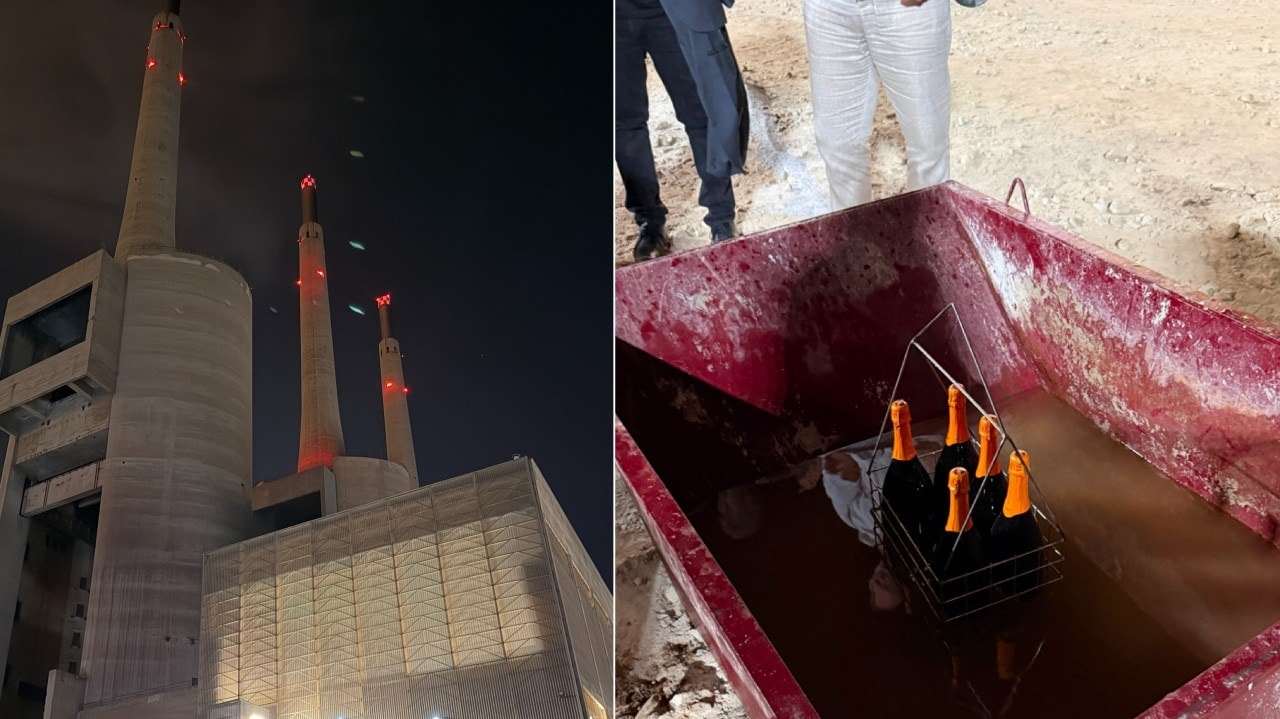
The closing Open Forum discussion at the foot of the "Three Chimneys" power plant captured a vital methodological conclusion: "minor architecture" often triggers far larger social changes than mega-projects.
Architects from Plan Común (Chile/France) and other panelists shared micro-cases that alter human behavior at the level of tactile, everyday rituals:
- Breaking Hierarchies Through a Doorway: Examining the work of modernist Truus Schröder-Schräder (co-creator of the famous Rietveld Schröder House, 1924), architects pointed to a micro-solution: replacing a standard single door to a bedroom with a double folding door to the bathroom. This simple gesture broke the rigid patriarchal hierarchy of the home ("who sleeps closer to the exit/toilet") and restructured the shared living space.
- The Transformation of the Door: Simply replacing an opaque, heavy wooden door in a stairwell or shared corridor with a semi-translucent one (translucent door) fundamentally changes the level of safety and trust among neighbors. People begin to see silhouettes, sense another's presence, and interact with the environment with greater care.
- The Blue Container in Mexico City: In the neglected, neoliberal outskirts of Mexico City that lack centralized water supply, residents have to wait hours for water trucks next to blue plastic drums on street corners. Architects turned this arduous domestic chore into a collective ritual: they grouped these drums into an integrated system with the addition of filters, plants, and shading structures. The forced wait for water transformed into a rallying point for community building and collective decision-making.
Core Takeaways for XENIOS Bureau:
The discussions on day two of the UIA 2026 Congress once again highlighted a challenging transition: shifting from designing static objects to managing flexible, long-term processes. Today, a professional urban strategist is increasingly required to look beyond the physical shell of a building to design its adaptive lifecycle.
We must learn to ask the right questions at the very beginning of a project:
- How will our space adapt to the changing needs of its residents in 20–30 years? (The secondary function).
- How do the developer's contractual obligations protect the territory from speculative buyouts and the erosion of affordable housing?
- What micro-details (tactile materials, translucent doors, zones of accidental encounters) are we embedding into the project to spark new social scenarios and connect people?
Smart territorial development is the ability to fuse Mariana Mazzucato’s hard macroeconomics of the common good, Jan Gehl’s tactile placemaking, and Anna Puigjaner's micro-gestures of the "architecture of care." This is precisely the interdisciplinary approach we implement every day in XENIOS Bureau projects.